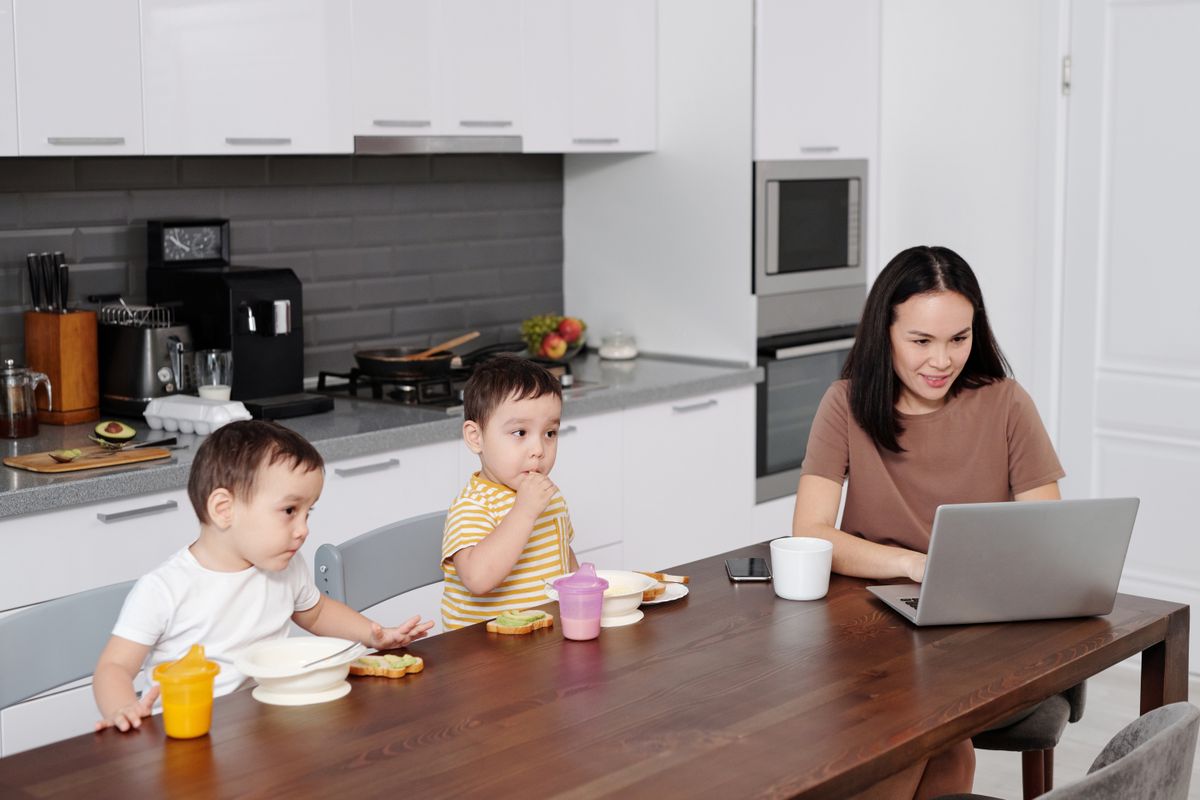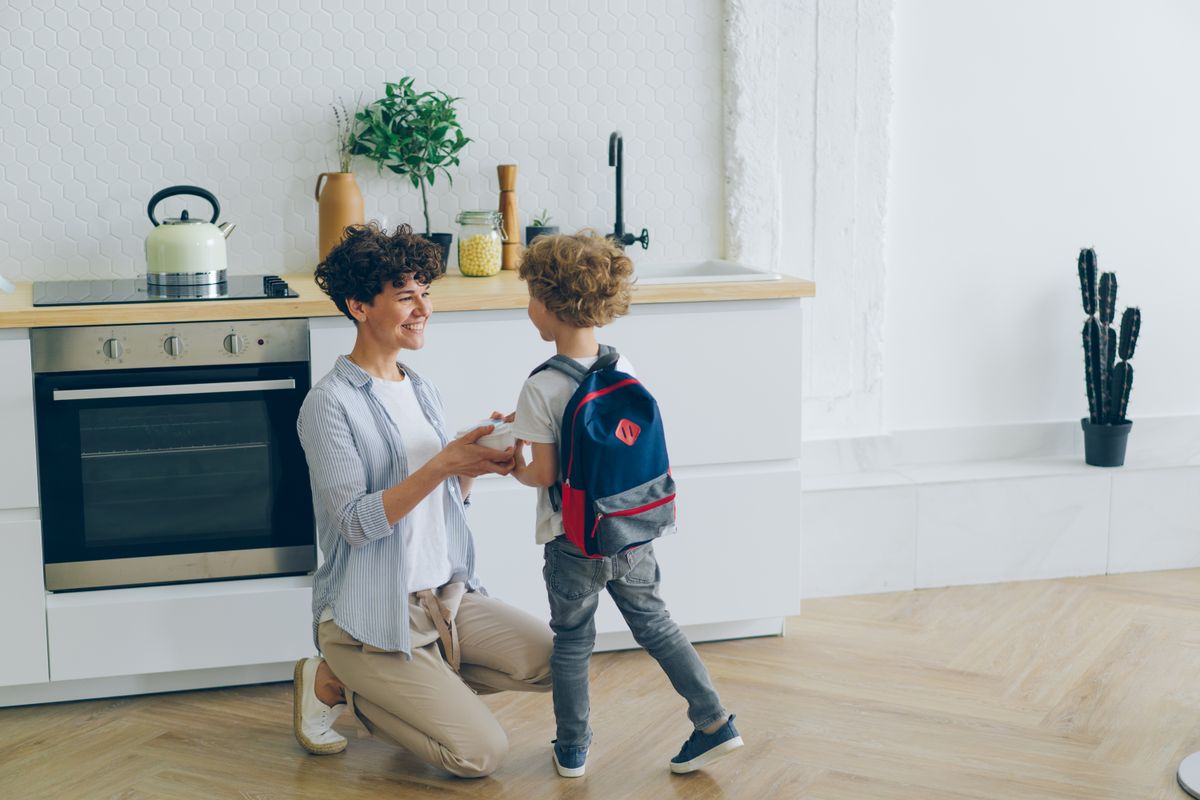
An after-school landing that leaves room to decompress
Offer food, connection, and a gentler transition before adding demands.

Start with the everyday problem
The moment after school can bring hunger, tiredness, excitement, or a need for quiet. A long list of questions may be the last thing a child wants. Create a predictable landing that offers basic needs and a little space before homework or activities. Different children unwind differently. Watch the pattern across several afternoons instead of assuming one response means something is wrong.
A practical way to begin
Prepare a manageable snack and a place for bags. Offer a brief choice between quiet time, talking, or movement where appropriate. Explain what will happen next and roughly when. Save detailed questions for a calmer moment. If homework is part of the evening, agree its place in the sequence with the child and keep needed materials easy to find.
Put it into an ordinary day
Consider a child coming home hungry and unwilling to answer questions. A concrete starting point is to offer a snack and a calm place to settle, because that identifies the next action rather than leaving the situation as an undefined concern. Once the first step is available, make room to ask whether they want quiet or company; check that the information, materials, or cooperation required for that step are actually present. Bring this particular attempt to a clear ending by choosing to give a clear cue before the next planned activity, so you can distinguish an action completed from an intention that still needs attention.
A child who wants quiet may still want you nearby. Offer a choice without requiring a long explanation of feelings at the door. Another child may prefer movement or conversation immediately. Keep food and activities suitable for the child's needs and avoid using the same decompression plan for every sibling. If there is a fixed appointment later, give a clear transition cue. Over time, notice whether the routine helps the child settle or merely postpones a persistent problem. Check in gently about recurring difficulties when there is space to listen.
The barrier to anticipate here is starting homework discussions immediately at the door, which calls for a specific adjustment rather than a general promise to try harder. A practical response is to move the discussion until basic needs have been met; make sure that adjustment fits the people, timing, and resources involved in this situation. Review the change through whether the transition becomes less tense, keeping the observation close to the original problem so it helps you decide whether this method earns a place in your day.
Notice what makes a difference
At the next review, ask: what does this child seem to need before another demand? An answer grounded in a child coming home hungry and unwilling to answer questions will be more useful than judging your whole routine. If starting homework discussions immediately at the door remains the difficulty, revise that part before increasing the complexity of the plan. Keep the next attempt focused on the same observable outcome: whether the transition becomes less tense.
Keep the limits in view
Persistent distress, avoidance, or major changes in behaviour deserve attention. Check for school difficulties and speak with the relevant teacher or health professional. Decompression should not become a way to overlook a recurring problem.
AAP describes flexible after-school routines and urges adults to take bullying and related distress seriously.
Sources & further reading
Source links support the factual context. Practical examples and suggested workflows are original editorial guidance. Sources checked October 5, 2026.
Spotted something we should correct? Send a correction. Read our editorial policy.