Move in ways that fit your family day
Find accessible opportunities for activity without needing a perfect workout slot.
Start with the everyday problem
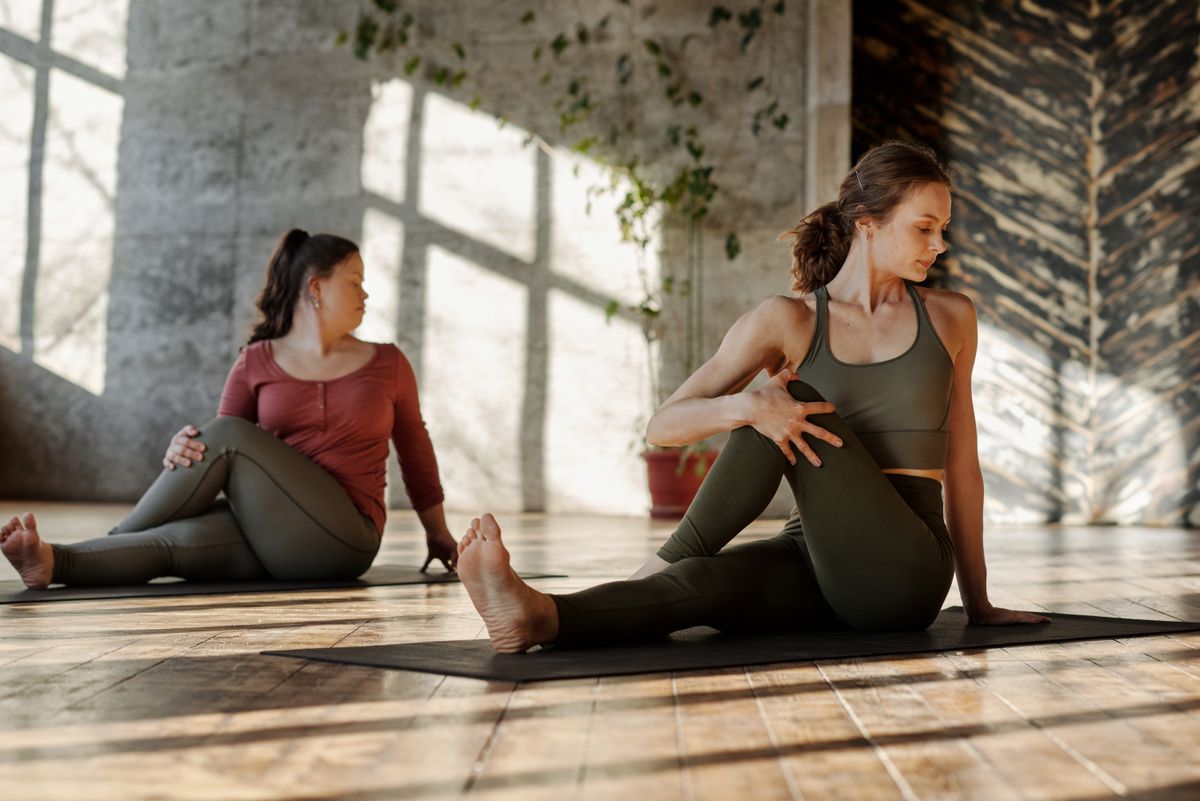
A busy family day may contain few uninterrupted stretches. Look for appropriate movement opportunities within it instead of waiting for a completely free hour. An accessible walk, dancing together, or a short suitable exercise session may be easier to repeat. Choose activities you like and account for your body's needs. Family participation can be pleasant, but it should not be the only way you are allowed to move.
A practical way to begin
Choose one realistic opening and prepare the needed clothes or equipment. Keep a shorter option for disrupted days. Involve children only when the activity and setting are suitable for them. If solo movement matters to you, arrange support where available. Build gradually and notice comfort rather than treating an online challenge as a requirement. Review what fits after an ordinary week.
Put it into an ordinary day
Consider having a brief gap between lunch and the next family commitment. A concrete starting point is to choose an accessible route or suitable indoor activity, because that identifies the next action rather than leaving the situation as an undefined concern. Once the first step is available, make room to prepare what you need before the gap begins; check that the information, materials, or cooperation required for that step are actually present. Bring this particular attempt to a clear ending by choosing to complete the manageable version rather than rushing, so you can distinguish an action completed from an intention that still needs attention.
Check what preparation makes the activity easy. Comfortable clothing, an accessible route, and a clear return time may be enough. If children join, account for their pace, attention, and the setting's safety. If you need a different pace or a private break, arrange that separately where support allows. An activity shared with children and an activity for your own wellbeing can serve different purposes. Notice whether the plan creates more preparation than movement. Simplify the setup before deciding you need greater motivation to make the routine work.
The barrier to anticipate here is believing a short session cannot count as worthwhile activity, which calls for a specific adjustment rather than a general promise to try harder. A practical response is to use the available time and build gradually where appropriate; make sure that adjustment fits the people, timing, and resources involved in this situation. Review the change through whether movement fits comfortably into the week, keeping the observation close to the original problem so it helps you decide whether this method earns a place in your day.
Notice what makes a difference
At the next review, ask: does the chosen activity match your current health and recovery needs? An answer grounded in having a brief gap between lunch and the next family commitment will be more useful than judging your whole routine. If believing a short session cannot count as worthwhile activity remains the difficulty, revise that part before increasing the complexity of the plan. Keep the next attempt focused on the same observable outcome: whether movement fits comfortably into the week.
Keep the limits in view
Pregnancy, postpartum recovery, disability, pain, and health conditions may change what is appropriate. Seek individual advice when needed. Activity can support wellbeing without meeting someone else's intensity or appearance target.
CDC describes benefits of physical activity and encourages appropriate activity for people with relevant health conditions.
Sources & further reading
Source links support the factual context. Practical examples and suggested workflows are original editorial guidance. Sources checked October 5, 2026.
Spotted something we should correct? Send a correction. Read our editorial policy.